


A fall home maintenance checklist helps you protect your house before cold weather, heavy rain, snow, and shorter days expose small problems. The best time to prepare is while temperatures are still comfortable enough to inspect the roofline, seal drafts, test heating equipment, and put outdoor areas in order.
This practical fall home maintenance checklist includes 25 steps for homeowners across the United States. Not every task applies in every climate, but the priorities are the same: keep water out, keep warm air in, reduce fire and carbon monoxide risks, and prevent expensive winter damage.
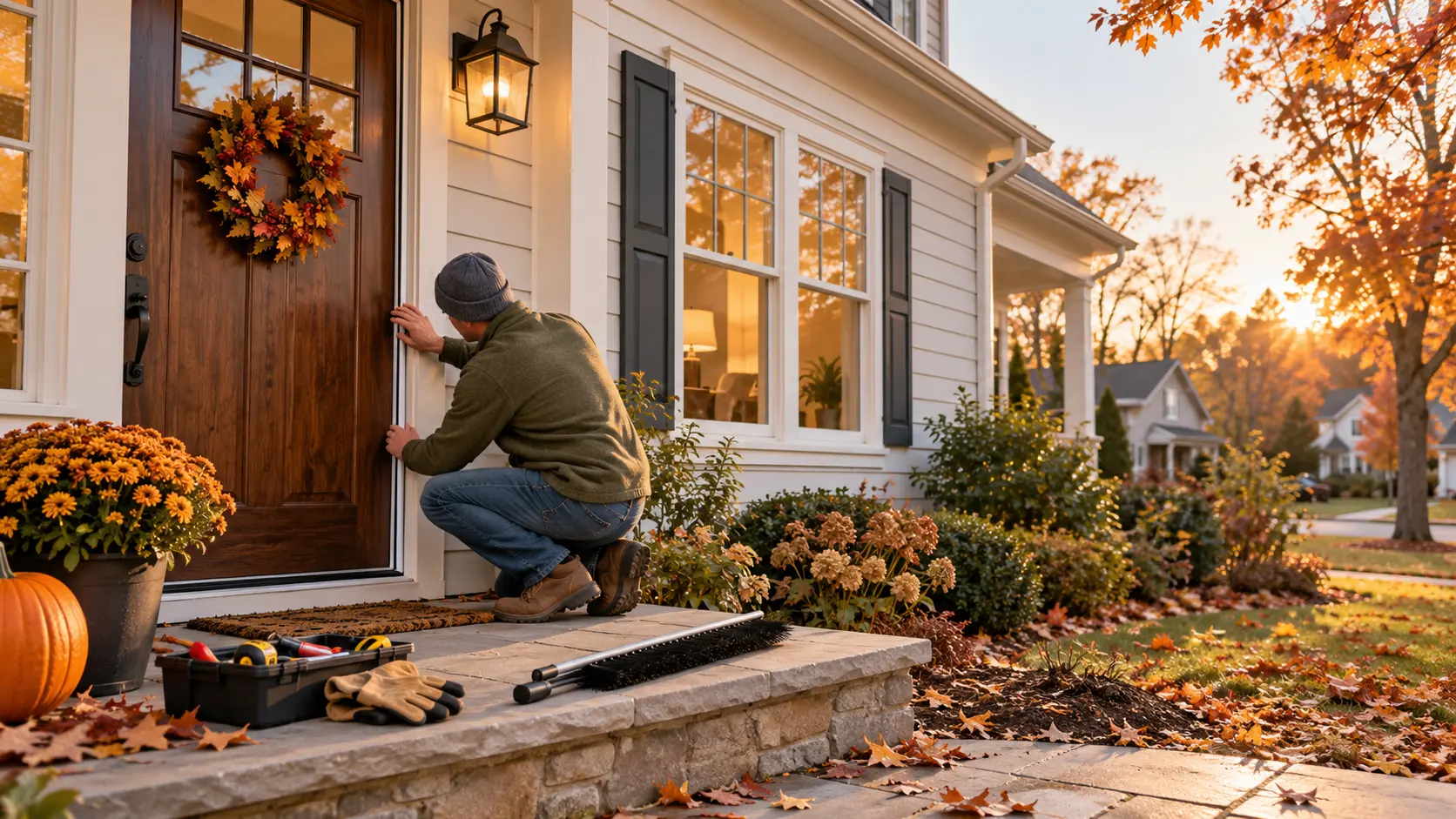
You do not need to complete everything in one weekend. Start with safety and water-related repairs, then move to comfort, energy efficiency, storage, and seasonal organization. For a warmer seasonal look after the work is finished, explore our fall home decor trends for 2026.
Fall Home Maintenance Checklist: Quick Overview
- Inspect the roof from the ground.
- Clean gutters and confirm downspout drainage.
- Seal gaps around windows and doors.
- Check siding, trim, and exterior paint.
- Inspect steps, railings, and walkways.
- Protect outdoor faucets and hoses.
- Review grading and foundation drainage.
- Clean and store outdoor furniture.
- Service the heating system.
- Replace or clean HVAC filters.
- Test smoke and carbon monoxide alarms.
- Inspect fireplaces, chimneys, and vents.
- Reverse ceiling fans if appropriate.
- Program the thermostat for winter.
- Find and seal hidden air leaks.
- Check attic insulation and ventilation.
- Prepare space heaters safely.
- Inspect pipes in vulnerable areas.
- Flush and inspect the water heater.
- Clean the dryer vent.
- Prepare the lawn and garden.
- Organize the garage and winter tools.
- Create a weather-ready entryway.
- Restock emergency supplies.
- Document repairs and schedule professional work.
Safety first: Do not climb onto a roof, work near power lines, service fuel-burning equipment, or perform electrical repairs unless you have the correct training and equipment. Hire a qualified professional whenever a task is outside your experience.
Why Fall Home Maintenance Matters
A thorough fall home maintenance checklist starts with the defects that cold weather can make more serious. A loose shingle can become a leak, a shallow exterior crack can admit water, and a minor air gap can make a room uncomfortable all winter. Heating also represents a major part of many households’ winter energy use, so maintenance and basic weatherization can improve both comfort and efficiency.
The U.S. Department of Energy recommends seasonal actions such as maintaining the heating system, controlling drafts, and using windows strategically during winter. Its home energy checklist is a useful companion to this guide.
Exterior Fall Home Maintenance Tasks
1. Inspect the Roof From the Ground
Use binoculars or a camera with zoom to look for missing, curled, cracked, or lifted shingles. Check metal flashing around chimneys, vents, skylights, and roof valleys. Dark streaks, sagging edges, damaged vent caps, or granules collecting near downspouts can justify a professional inspection.
A ground-level review is safer than walking on the roof. If you see damage, arrange repairs before freezing temperatures, heavy rain, or snow make access more difficult.
2. Clean Gutters and Check Downspouts
Remove leaves, twigs, and roof debris after most nearby trees have dropped their foliage. Confirm that gutters are securely attached and do not hold standing water. Run water through each downspout and watch where it exits.
Downspouts should direct water away from the foundation rather than onto steps, walkways, or low areas beside the house. Extensions or splash blocks may help, but drainage needs vary by property.
3. Seal Gaps Around Windows and Doors
On a cool, windy day, move your hand slowly around window frames, exterior doors, attic hatches, and baseboards. Replace compressed weatherstripping and repair deteriorated exterior caulk where appropriate. Do not seal intentional drainage openings or ventilation paths.
ENERGY STAR explains that uncontrolled air leakage increases energy use and reduces comfort. Its guide to air sealing and insulation can help you understand where improvements matter most.
4. Check Siding, Trim, and Exterior Paint
Look for peeling paint, loose boards, open joints, cracks, soft wood, insect damage, and gaps around penetrations. Pay special attention to lower walls, window sills, door trim, and areas near decks or roofs where water can collect.
Small paint and caulk repairs may be manageable in dry weather. Rot, structural movement, masonry cracks, or recurring moisture should be evaluated before cosmetic work covers the evidence.
5. Inspect Steps, Railings, and Walkways
Tighten loose handrails and identify uneven pavers, cracked steps, or slippery surfaces. Winter darkness, rain, frost, and snow make small trip hazards harder to see. Confirm that porch and path lights work and that house numbers remain visible from the street.
6. Disconnect Hoses and Protect Outdoor Faucets
Disconnect, drain, and store garden hoses before freezing weather. If your plumbing system includes an interior shutoff for an outdoor faucet, follow the manufacturer’s or a plumber’s instructions for winterizing it. Insulated faucet covers can add protection, but they do not correct a damaged valve or poorly protected pipe.
7. Review Foundation Drainage and Grading
Walk around the house after rain and note puddles close to the foundation, overflowing gutters, erosion, or soil that slopes toward the structure. Keep drainage routes clear of leaves. Persistent water near the foundation, basement dampness, or new cracks deserve professional attention.
8. Clean and Store Outdoor Furniture
Wash furniture according to the material, dry it fully, and move cushions to a dry ventilated space. Clean grills after they cool, follow the manufacturer’s fuel-storage guidance, and cover equipment only when it is dry. Move lightweight pieces that could become dangerous in strong wind.
Heating, Safety, and Energy Tasks
9. Schedule Heating-System Maintenance
For many households, the heating system is a central part of the fall home maintenance checklist. Arrange professional service before the first sustained cold spell, especially if the system has been noisy, uneven, slow to start, or unusually expensive to operate. A technician can inspect components, verify safe operation, and identify repairs before demand is highest.
10. Replace or Clean HVAC Filters
Check the filter size, airflow direction, and replacement schedule recommended for your equipment. A filter that is too restrictive can be as problematic as one that is dirty. Write the replacement date on the frame or add a recurring reminder.
11. Test Smoke and Carbon Monoxide Alarms
Use the test button on every alarm and follow the manufacturer’s instructions for batteries, cleaning, placement, and replacement age. Fuel-burning furnaces, fireplaces, generators, and attached garages make carbon monoxide awareness especially important.
12. Inspect Fireplaces, Chimneys, and Vents
Before using a fireplace or wood stove, have it inspected and cleaned as recommended for the appliance and your usage. Check that exterior vents are unobstructed and that fireplace tools, screens, and doors are in good condition. Never use an oven to heat the home.
13. Review Ceiling-Fan Direction
Many ceiling fans include a reversible setting intended to circulate warm air during heating season. Use the lowest comfortable speed and confirm the direction recommended by the manufacturer. Turn the fan off before adjusting any switch on the housing.
14. Program the Thermostat for Winter
Create a schedule that reflects when the household sleeps, works, and returns home. Avoid extreme temperature changes that make the system work harder without improving comfort. If you install a smart thermostat, verify compatibility with your HVAC equipment before purchase.
15. Find Hidden Air Leaks
Common leak locations include attic hatches, recessed fixtures, plumbing penetrations, cable openings, exterior outlets, fireplace surrounds, and gaps where additions meet the original house. Some locations require fire-rated materials or professional work, so do not fill every opening with ordinary foam.
16. Check Attic Insulation and Ventilation
From a safe access point, look for disturbed insulation, wet spots, daylight through unwanted gaps, blocked soffit vents, or signs of pests. Do not step between framing members, cover heat-producing fixtures, or compress insulation. A qualified energy auditor can help prioritize sealing and insulation work.
17. Prepare Space Heaters Safely
Inspect cords and plugs, place portable heaters on stable surfaces, and keep them away from curtains, bedding, furniture, paper, and other combustible materials. Plug them directly into an appropriate wall outlet and turn them off when leaving the room or going to sleep.
The U.S. Fire Administration provides additional home heating fire-safety guidance. Follow the heater manufacturer’s instructions and local fire-code recommendations.
Plumbing and Laundry Tasks
18. Inspect Pipes in Vulnerable Areas
Plumbing deserves its own place on a fall home maintenance checklist. Identify water lines in crawlspaces, garages, exterior walls, under sinks, and other cold areas. Look for corrosion, past leak stains, loose insulation, and drafts. Ask a plumber about protection if a pipe has frozen before or runs through an unusually exposed location.
19. Inspect the Water Heater
Check around the tank for moisture, rust, unusual sounds, or damaged connections. Flushing, temperature adjustment, anode inspection, and combustion checks depend on the appliance type and may require a professional. Keep the surrounding area clear and never block ventilation.
20. Clean the Dryer Vent
Clean the lint screen after every load and inspect the accessible duct and exterior flap for buildup or damage. Long drying times, excess heat, or a burning smell require immediate attention. Use a qualified service if the duct is long, concealed, crushed, or difficult to access.
Yard, Garage, and Entryway Tasks
21. Prepare the Lawn and Garden
Outdoor cleanup completes the seasonal fall home maintenance checklist. Remove diseased plant material, clear leaves from drains, and follow local recommendations for mowing, pruning, and irrigation shutdown. Avoid aggressive pruning when a plant should remain dormant. Clean soil from tools, dry metal parts, and store chemicals according to their labels.
22. Organize the Garage and Winter Tools
Move snow shovels, ice melt, windshield tools, and emergency gear where they are easy to reach without opening every storage bin. Store fuel, paint, batteries, and chemicals according to their labels and local requirements. Keep exits, electrical panels, and heating equipment unobstructed.
23. Create a Weather-Ready Entryway
Add a durable mat, boot tray, hooks, baskets, and a place to sit if space allows. Give each household member a defined location for coats and accessories. Use our rug size guide before choosing an entry rug that must clear the door and handle wet footwear.
24. Restock Emergency Supplies
Check flashlights, batteries, phone chargers, first-aid supplies, drinking water, shelf-stable food, blankets, and any household-specific items. Replace expired products and keep supplies accessible. Needs differ by climate, medical requirements, pets, and the likelihood of power outages.
25. Document Repairs and Book Professional Work
Photograph problem areas, record filter sizes and equipment model numbers, and keep receipts or service reports together. Separate urgent repairs from projects that can wait until spring. A simple record prevents forgotten tasks and makes future maintenance faster.
How to Prioritize This Fall Home Maintenance Checklist
If time or budget is limited, prioritize your fall home maintenance checklist in this order:
- Immediate safety: alarms, heating equipment, fireplaces, damaged wiring, unstable railings, and blocked exits.
- Water control: roof damage, gutters, drainage, plumbing leaks, and exterior openings.
- Freeze protection: outdoor faucets, exposed pipes, hoses, and irrigation systems.
- Energy and comfort: filters, weatherstripping, air sealing, insulation, and thermostat settings.
- Organization: garage tools, entryway storage, emergency supplies, and seasonal decor.
Before buying more organizers, reduce visual clutter with the house hushing decluttering method. Then choose storage that solves a measured need rather than adding another container.
Final Thoughts
A useful fall home maintenance checklist is not about making the house perfect. It is about finding the few problems that become harder, more dangerous, or more expensive in winter. Begin outside, protect the building from water, confirm that heating and safety devices work, and finish by organizing the spaces you use every day.
For more practical upgrades and buying guidance, browse our home improvement reviews.
Frequently Asked Questions
When should I start fall home maintenance?
Start during the first stretch of mild, dry weather before regular freezing temperatures. Roof, gutter, caulk, drainage, and outdoor plumbing tasks are easier to address before cold weather arrives.
What is the most important fall maintenance task?
The priority depends on the house, but active leaks, unsafe heating equipment, missing alarms, damaged wiring, unstable steps, and pipes at risk of freezing should come before cosmetic work.
How long does a fall home maintenance checklist take?
A basic inspection may take a few hours. Cleaning, minor repairs, professional service, and weatherization can take several weekends. Divide the work into exterior, mechanical, plumbing, and organization sessions.
Should I clean gutters before or after leaves fall?
Homes near deciduous trees often benefit from a quick early check and a final cleaning after most leaves have fallen. Clean sooner if gutters overflow or a downspout is blocked.
Can renters use this checklist?
Yes. Renters can test alarms as permitted, report leaks or drafts, organize the entryway, prepare emergency supplies, and follow the lease for maintenance requests. Structural, heating, roofing, and plumbing work should be handled by the responsible property professional.
Which fall tasks should a professional handle?
Roof access, chimney service, gas appliances, major electrical work, structural cracks, persistent moisture, complicated plumbing, and HVAC repairs generally require qualified professionals. Local codes and the condition of the home should guide the decision.
[…] cold weather is arriving at the same time, review our fall home maintenance checklist early enough to address exterior and heating concerns before guests […]